The #1 show for medical practitioners & holistic healers to have heart to heart conversations about their day to day lives.
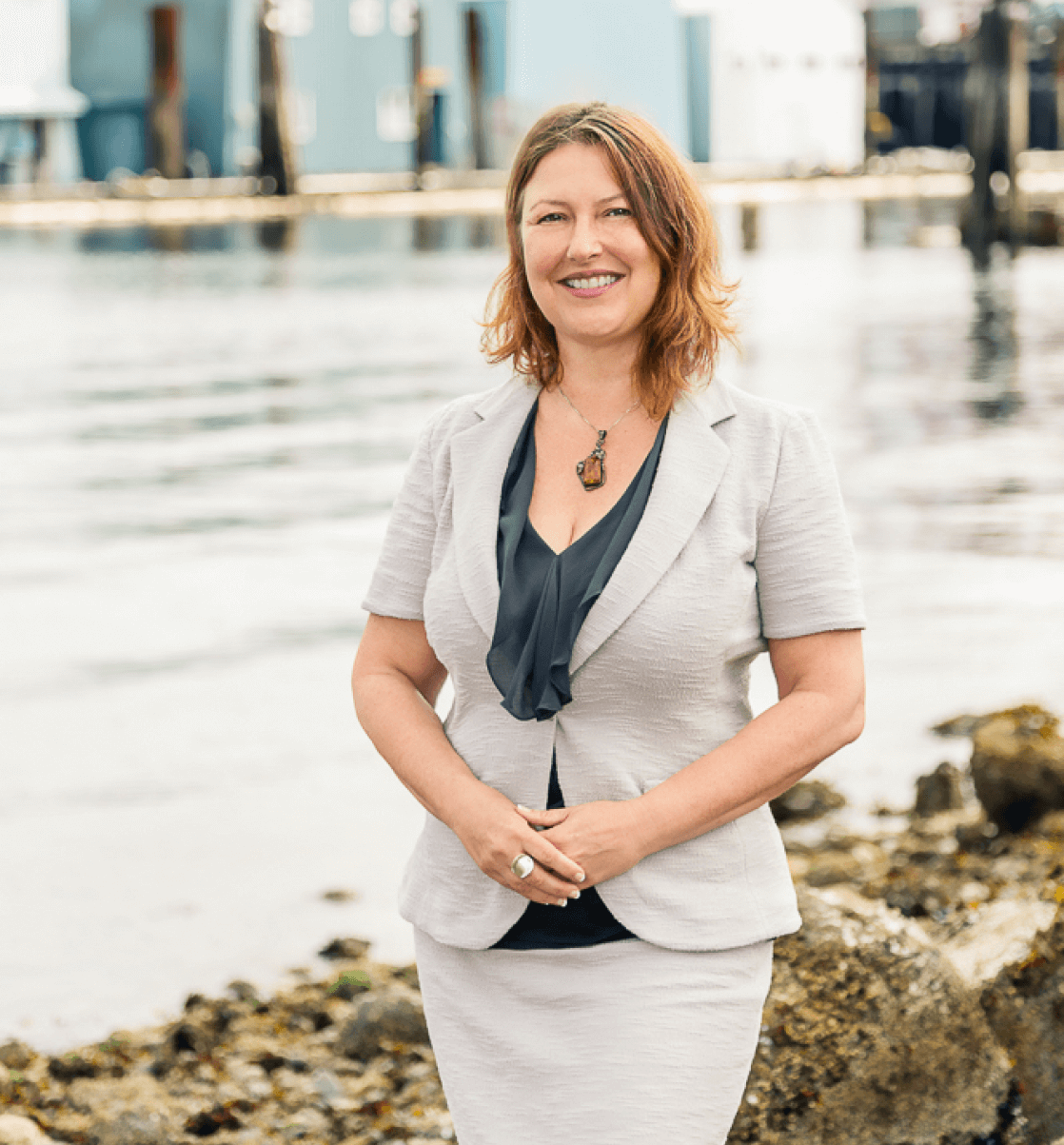
Manon Bolliger (Deregistered with 30 years of experience in health)
iTunes | Google Play | Spotify | Libsyn | iHeartRadio | Gaana | The Healers Cafe | Radio.com | and many more
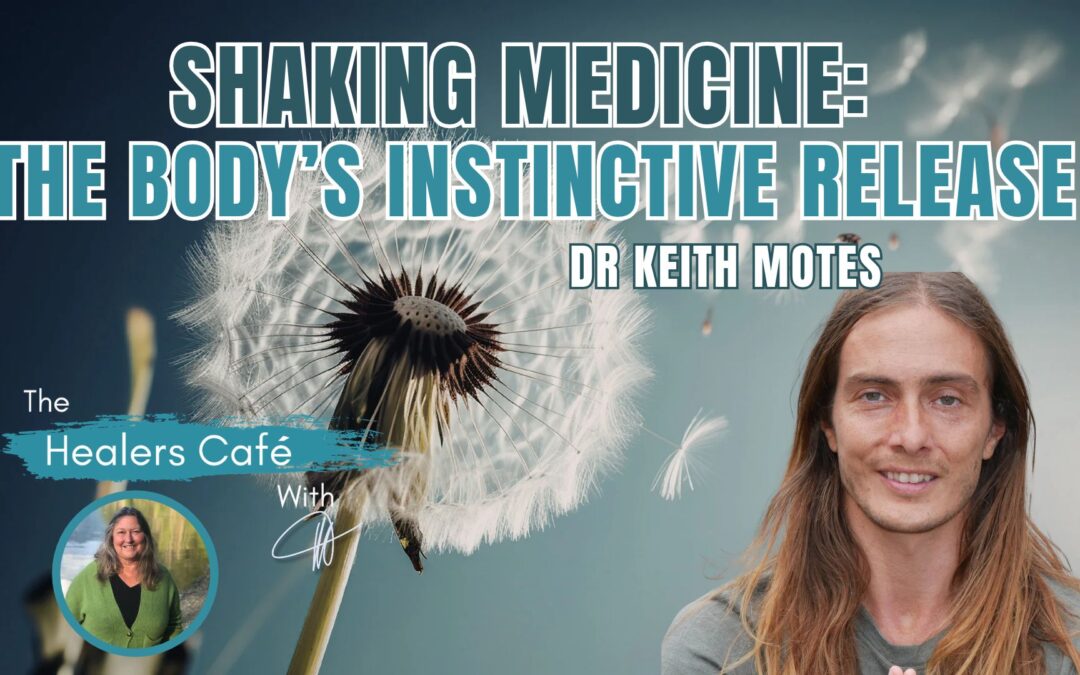
Dr Keith Motes
Shaking Medicine: The Body’s Instinctive Release with Dr. Keith Motes & Manon on The Healers Café
In this episode of The Healers Café, Dr. Keith Motes connected the practice to his physics background, spiritual work through yoga, and a profound experience involving plant medicine that included spontaneous shaking, sounds, pendulation, and perceived trauma release.
Highlights from today’s episode include:
Keith: Spontaneous shaking can be approached through relaxation and grounding, allowing the body to move naturally.
Keith: He hopes to teach children to recognize and safely express this instinctive response.
– – – – –
Manon: She connected Keith’s ideas to her own experience of wave-like movement and her Bowen therapy practice.

ABOUT DR KEITH R. MOTES:
I am Dr Keith R. Motes, a quantum physicist Ph;, Yoga and Qi Gong teacher; Yoga Alliance & Zenthai Shiatsu therapist, and founder of the Shaking Medicine Foundation, a not-for-profit. I am not a psychologist and not a medical doctor.
I had a spontaneous therapeutic tremoring, a deep awakening that was like a rebirthing. That encounter seeded what became Shaking Medicine — an embodied practice of somatic neurogenic tremoring and pandiculation, and a Neurogenic style of Qi Gong.
I have taught workshops to several hundred people, and I hold 1:1 sessions, online courses, and teacher training through the Foundation. Dual Australian–US citizen; often in Ubud, Bali; Australian home at Heartland, Wilsons Creek, Mullumbimby, NSW.
Core purpose/passion: To share Shaking Medicine as an embodied practice so people can meet their own somatic neurogenic tremoring and pandiculation. I am passionate about Neurogenic Qi Gong — a spontaneous Qi Gong through the neurogenics of Shaking Medicine — and about holding a simple, honest space for the body’s own movement through the Foundation.
ABOUT MANON BOLLIGER, FCAH, RBHT
As a recently De-Registered board-certified naturopathic physician & in practice since 1992, I’ve seen an average of 150 patients per week and have helped people ranging from rural farmers in Nova Scotia to stressed out CEOs in Toronto to tri-athletes here in Vancouver.
My resolve to educate, empower and engage people to take charge of their own health is evident in my best-selling books: ‘What Patients Don’t Say if Doctors Don’t Ask: The Mindful Patient-Doctor Relationship’ and ‘A Healer in Every Household: Simple Solutions for Stress’. I also teach BowenFirst™ Therapy through Bowen College and hold transformational workshops to achieve these goals.
So, when I share with you that LISTENING to Your body is a game changer in the healing process, I am speaking from expertise and direct experience”.
Mission: A Healer in Every Household!
For more great information to go to her weekly blog: http://bowencollege.com/blog.
For tips on health & healing go to: https://www.drmanonbolliger.com/tips
SOCIAL MEDIA:
– Linktr.ee | Rumble | Gettr | Facebook | Instagram | LinkedIn | YouTube | Twitter |
About The Healers Café:
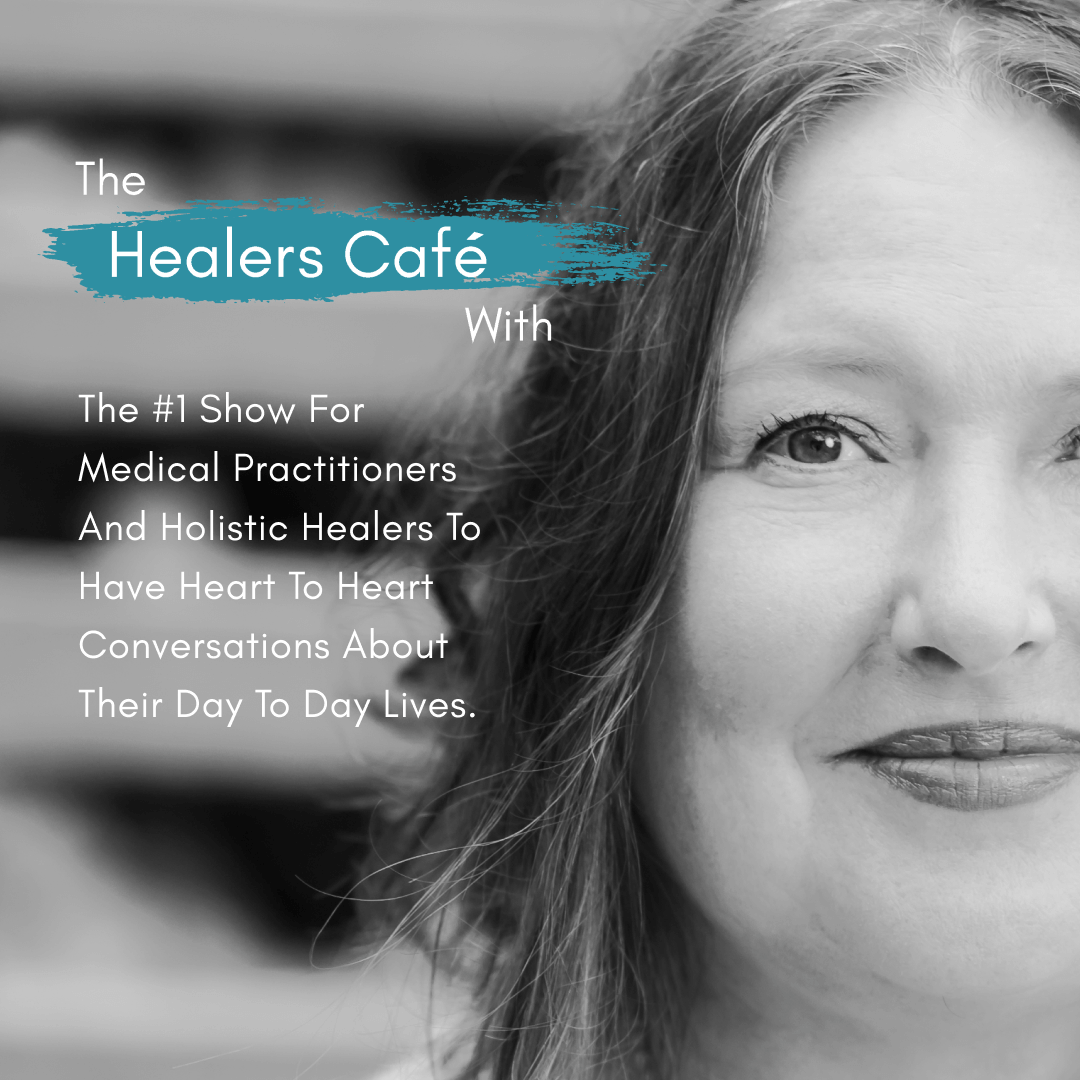
Manon’s show is the #1 show for medical practitioners and holistic healers to have heart to heart conversations about their day to day lives.
Subscribe and review on your favourite platform:
iTunes | Google Play | Spotify | Libsyn | iHeartRadio | Gaana | The Healers Cafe | Radio.com | Medioq | Audacy |
Follow The Healers Café on FB: https://www.facebook.com/thehealerscafe
Remember to subscribe if you like our videos. Click the bell if you want to be one of the first people notified of a new release.
* De-Registered, revoked & retired naturopathic physician after 30 years of practice in healthcare. Now resourceful & resolved to share with you all the tools to take care of your health & vitality!
TRANSCRIPT
Introduction 00:00
Welcome to the Healers Cafe, the #1 show for medical practitioners and holistic healers to have heart to heart conversations about their day to day lives while sharing their expertise for improving your health and wellness.
Manon Bolliger 00:45
So welcome to the Healers Cafe, and today I have with me Keith Motes. He’s a quantum physicist and yoga and qigong teacher, Yoga Alliance member, Zantai Shiatsu therapist, and founder of the Shaking Medicine Foundation, a not-for-profit. He’s also he’s not a psychologist and not a medical doctor, and I have a feeling you’re saying that for a clear reason. Anyway, you had a spontaneous therapeutic tremoring, a deep awakening that was like rebirthing, and that was sort of the seeds of the work that you do and that you present to the world. So I want to welcome you, and we’ll find out more about it. So welcome.
Dr. Keith Motes 01:41
Thank you so much.
Manon Bolliger 01:44
So yeah,
Dr. Keith Motes 01:44
pleasure to be here. Thank you for having me, and so excited to to share all about it. Yeah. Why don’t we start
Manon Bolliger 01:57
with that that experience? Because that’s probably a story in and of itself.
Dr. Keith Motes 02:04
Sure, yeah, I’d love to. It it goes back to yeah, I was doing my academia journey, did my undergraduate in physics, and then
Manon Bolliger 02:20
actually hang on. Did
Dr. Keith Motes 02:21
my PhD in Sydney did my PhD, and towards the end of my undergraduate career, I got into. Keith,
Manon Bolliger 02:32
sorry to interrupt you. There’s shaking in the sound. Can you see if you can fix that? Because it’s um it’s hard to hear you. Yeah, probably the one.
Manon Bolliger 02:48
Let’s
Dr. Keith Motes 02:48
see. Wonder. Hmm. Ah. 2222. Or is he?
Manon Bolliger 03:13
No.
Dr. Keith Motes 03:14
The the Wi-Fi.
Manon Bolliger 03:17
Yeah, I think it’s the Wi-Fi.
Dr. Keith Motes 03:24
Um. Let me try. Okay, I jumped on my other Wi-Fi. I wonder if that’s
Manon Bolliger 03:40
that’s way better, yeah. There’s nothing going on. Okay. Okay. So just we’ll we’ll just cut. I’ll keep what I said, and then just start with your journey started. Whatever.
Dr. Keith Motes 03:53
Sure.
Manon Bolliger 03:54
Yeah.
Dr. Keith Motes 03:57
So my journey into all of this started in my physics career, I was doing my undergraduate in the states, and then I moved to Australia to do my PhD. And all the while, like towards the end of my undergraduate, I got into my spiritual journey through yoga, and then I was doing that all through my PhD, getting all this beautiful growth spiritually from that. But then eventually it plateaued. Like I was still doing the yoga, but I wasn’t really didn’t really feel like I was growing so much from it. And this is where one faithful day, where this experience …
Read more...
came in, that gave me so many realizations. So it was, it was enhanced by some beautiful plant medicine allies. I was deep on my deepest. Strongest journey I had ever done up to that point, and it just took me to this place of no return, so to speak. Like I was complete witness to it all, but I had no control. My animal body took over the intelligences of my instinct and intuition, the these animalistic mechanisms that have evolved within us, just woke up in me and did their thing. It was like it was shaking me. It was I was spontaneously making all these sounds. I was what I what I now know is called pendiculation. It was like pulling me and stretching me and squeezing me all over the place. I I didn’t really have any reference or words for anything that was going on at that time because I never learned about this from anywhere. It just it just started happening to me, and I felt these energies inside of me just leave me these old old childhood traumas that I was not even aware that I had because I yeah just they’re just frozen and numb and deep inside of me, and this this integrated them and moved them, and it was like whoa! It was super super profound. My only reference at the time were like exorcism movies I saw on the internet, or saw on you know movies or whatever, And which make it out to be scary, but I intuitively felt like this is not that. It looks like that, but it’s it was like ah such a beautiful
Manon Bolliger 06:56
release,
Dr. Keith Motes 06:57
release and rebirthing and yeah, it transformed me in such a big way, and my spiritual journey started doing that again, improving. And I realized it was trauma; it was releasing that was holding me back. Something that yoga was just not getting into for me, and so that birthed, that was a seed of what has now become shaking medicine, which which is done without any psychoactive medicines, typically, but that that did seed it in me, and because it was, it came from within, like it seeded this very unique style. You know, it’s not a copy from some other style before, but other styles have since influenced me. You know, in my studies and learning about anything that’s complementary to this, I like to bring in the wisdom and gold from whatever is very complementary to this. This what I find to be just some of the most beautiful, profound, natural, instinctive medicine that most people still don’t know about yet. It’s so powerful for the simple reason that it evolved within us over millennia, probably even billions of years, to do what it’s supposed to do, which is bring us into balance and homeostasis, move the stress and anxiety and trauma from our day-to-day life that otherwise gets stored in our body. Right.
Manon Bolliger 08:48
Yeah. So, how do you explain? I mean, when I hear shaking, I think of a few things. You know how animals-if you almost hit a deer-they will go to the side eventually, and they’ll start shaking, and then they seem to to be fine again. You know, I I think I told you just before we started. I had a an experience in in Italy doing a shaking work. I mean, there was all kinds of workshops, but shaking was quite a release. And watching all these people, there was quite profound shifts in people. And then the third thing that I didn’t tell you yet: when I had cancer, I was laying on the bed, and you know, I was there. Was other things I chose to do. Homeopathy. I did. You know, I wasn’t gonna do all the stuff they said. You know, hysterectomy, this, that, and whatever. Chemo. I’m not doing all that. But I, I was overcome by. A desire to like, well, it was more undulate than shake, but there was like, like wave-like actions going through me with a humming sound, sometimes pleasant, sometimes quite scary and loud, and and I was like, oh, I just, I just do me, whatever. I’ll let this go. And I was in that state for on and off for about two days, and I think that had a huge impact on the pause. I mean, I’m still here, right? So, so obviously I survived. But can you tell us a little bit what what it is, and whether the quantum physics explains any of this, or or wherever you to to help us know what it is, and if you want to demonstrate or tell us more, feel free.
Dr. Keith Motes 10:56
Yeah, I’d love to do all that. So there’s two kind of main types of shaking in a broad sense: voluntary shaking and and this kind of neurogenic or spontaneous shaking. Both are great for us. Voluntary is more surface level. Spontaneous shaking is much deeper. It’s it’s voluntary shaking is the kind of shaking most teachers will do in a practice as like a five minute warm up or you know just to move a little energy. It’s like it’s it’s still done in a relaxed way mostly, but it’s a little more like you’re making it happen. Whereas the the spontaneous shaking is this deeper intelligence, this mechanism that moves us for us, and it’s accessed best by no force, by letting go of control, and by relaxing deeply. And you know we have different games we play. I like to think of it as a game to come into the trimmering, because the game is not the thing itself. It’s it’s getting to the tremor that’s the thing, at least in in shaking medicine. And different of these games will resonate with different people to to in different moments in their life, and when we get this deeper kind of shaking, it it’s like a feedback loop. It starts to relax us even more, and then when we relax more, we can access the shaking even more deeply. And then it and then again, the cycle continues, and it moves us how we need to be moved. So there’s, it’s related to other spontaneous movement for sure. It’s not just this. This intelligence isn’t only this shaking. It’s also like those undulations. It can often it it comes like wave spontaneous waves or undulations might want to move through, or spontaneously moving and twisting and squeezing. This is what I now know of as pendulation, another instinctive mechanism. All these things eventually dance through and between each other, and it’s basically the the body’s intelligence. It’s not the analytical mind. You know that’s our controlling thinking mind that is often conditioned by you know culture or religion or parents or school, whatever everything, and it it’s actually in a big way often what prevents us from accessing this because it looks weird or you know people might think we’re possessed or so to access it there is to for the nervous system to let go and and kind of move. So I’m coming into a little bit of a demonstration. I can get it really easy because I’ve been doing it for about a decade now. But basically, we would like a process I’d come through with people would be to like do a bit of a warm up, get the blood flowing, get out of the head, get into the body. I love to do some like qigong with with for the grounding aspect. I feel like it’s super important safety wise to stay to keep grounding, and as energies move, it’s like we need to keep grounding. So we warm up, we ground, we we then play the game to our multiple games if we need to to to find the place, like like moving as slowly and. Relax as we can through a range of motion, where we start to feel the sensations of the shake wanting to come on, like like a little, like a little skipping of the range of motion, and then we hone in on it, go even slower, more relaxed until it’s like we’re hanging out in the shake, and then we go into the next phase. We go from the game to the surrender phase, which is just simply hanging out with the shake and and surrendering and relaxing even more to access it deeper. And so that all just soothes the nervous system, brings us into deep parasympathetic states of relaxation, where our healing functions operate maximally effectively. So likely you were undulated, and it was deeply relaxing you. And then all of your well, that plus the the natural immune system and healing functions of your body, just digestion, all of that just started working like it’s supposed to. And then that would, yeah.
Dr. Keith Motes 16:22
And so many people say that this relaxes them more than anything, and it it makes sense because it’s designed by nature to do that, and it’s a true like lens, a true way of learning to deeply let go of control, because if we’re tremoring, it’s it’s we’re either tremoring or we’re not, and it’s fairly easy to tell once you get into it. And if you are tremoring, you are like truly letting go of control. You’re not just thinking. You’re letting. You’re relaxing, but you, your body on a physiological nervous system level, is definitely relaxing and letting go, and that’s powerful.
Manon Bolliger 17:13
Okay, so I’ll summarize it in the different way, but it’s by being completely or allowing the the parasympathetic state to fully do what it’s supposed to do, which is heal, repair, make you rest, digest all of that stuff. Your body then knows how to continue with what it needs to do. It kind of resets all your other systems, whether it’s your hormone system, your nervous system, your whatever digestive system. It’s like you you go back to kind of a point of it’s like those systems are no longer kind of frozen. They’re they’re they’re released. Does that does that make sense to you that way of looking at
Dr. Keith Motes 18:10
it? Yeah, that’s a great way to look at it. And it’s like the it goes out of fight, flight, or freeze mode. It’s even in the name they freeze a lot of things. Systems get frozen into like the energy doesn’t go to them because it’s trying to run away from the tiger. And also, on that freeze note, a lot of our old these old traumas, even physical Injuries, trapped emotions-they get kind of numb after years and years. They get numb and frozen in our body, in our organs, in our tissues, in our subconscious. And this
Manon Bolliger 18:55
Manon Bolliger here, and I want to thank you for taking actionable steps towards engaging your healing journey and helping others discover their path by watching, sharing, subscribing, and reviewing these podcasts. Every review and share helps spread the word on these different perspectives and choices and options for healing. And to thank you, I’d like to invite you to sign up to my free seven sequence email tips on health and healing for everyday life, and you can go to healerscafe.com. Tips. Thanks so much.
Dr. Keith Motes 19:40
Starts to this shaking starts to unfreeze them, unstick them. So then, these old, all this old stuff that’s affecting us, even if we don’t know it. Like my trauma was affecting me subconsciously, even though I was. Even aware that I had it, it it integrated out of me, and then the effect, the positive effect it had on me was like I was like reborn, and and I was getting, I was starting to grow again in my my practices. I wasn’t stagnating, and life just took it beautiful 360 transformation. So yeah, all these things unstick and unfreeze, and it’s like we don’t need to necessarily rationally know what it is. It’s just on on that genetic subconscious level, we’re we’re purifying ourself into freedom, yeah, and it has a profound effect, and it helps with you know old pains and injuries. It’s really great for a lot of that stuff because it’s a lot of that stuff goes into contraction and it’s frozen, and then bit by bit it unravels and unsticks and and then those contractions unravel and the pains free up.
Manon Bolliger 21:13
Yeah, yeah. Well, often too after an injury, at least in in my practice when I was in practice, doing Bowen therapy. I don’t know. It’s actually if you’re in Australia, you probably heard about it. Bowen therapy, and that was a big part of my practice. And you know, people who came in from let’s say car accidents, they may have whiplash or this or that, but if they went to see like a purely body functioning person, like a physiotherapist, they would be there for a year, two years. It’s like the trauma wouldn’t leave. When we did Bowen therapy, it’s like the body could go into parasympathetic so quickly. If it was done, you know, soon enough afterwards, the trauma left, and then the person could heal in you know three to five weeks. So huge difference when it when the trauma is freed, you know. And I think this is a lot of the. I mean, Bowen is physical because you do touch, but it’s yeah, it’s it’s highly energetic as well, obviously. But it’s it’s really it’s like a a key into the body, into allowing the unraveling. I have had some patients undulate, like take it to another level. As in, like you know, if you do with a psychedelic, you it can open up other avenues. It’s a little bit, or doors that might be closed or whatever, you know. So I’ve seen that, but it’s interesting that shaking is what you’re saying. If I get it, it’s it’s innate to us. It’s already within us. We were we were made to have that skill, and we just haven’t taken the time to To allow it, right?
Dr. Keith Motes 23:23
Yeah, it’s we we all have it within us, so it’s it feels usually more like a remembering than a learning something new. We’re all born with it, and we even do it in the womb and as babies. But at some point, it gets suppressed and made to be weird, and we just bit by bit condition our children to not do this, and we don’t teach it in schools, and you know we’re taught to hold it together and not cry and don’t don’t shake your leg under the table and
Manon Bolliger 23:58
and
Dr. Keith Motes 23:59
on and on and on, and so eventually, we all just kind of like hold it all together all the time, and and but if we were to teach this to kids, which I really want to get it out into schools, that would be amazing.
Manon Bolliger 24:16
Yeah,
Dr. Keith Motes 24:17
if they were to do this from a young age, they would never build up all that chronic tension and trauma. They’d be like the wild animal, where as soon as it happened, they they could go and shake it off, and then they’re back to homeostasis. Like imagine a kid, a little kid. You know, you would think the worst thing in the world just happened when they start throwing that tantrum, like ah, you know, crying and screaming and wailing and kicking. But then, you know, a minute or five minutes later, they’re like smiling and dancing and playing again. That the tantrum was like kind of like the shaking medicine. They move that energy cathartically, spontaneously, and then it’s almost as if nothing ever happened. They just back to normal, just like that. And
Manon Bolliger 25:14
she called, of course, redefining tantrums. You’ll have a very young crowd, you know, and parents much more relaxed about the tantrums, right?
Dr. Keith Motes 25:28
Yeah, well, oh, that’s a two-year-old, of course. That’s what they do, and it’s um, but when they get five, 610, whatever the age is, it’s like, oh, that’s not okay anymore.
Manon Bolliger 25:41
Right, but but I think it can be explained to the child, you know, like go ahead and do this. But you know, I guess it’s true that if it’s in in public, unless the yeah
Dr. Keith Motes 25:55
yeah
Manon Bolliger 25:55
all comfortable, they would probably be you know shunned or something, and you know we don’t have a very society. She’s
Dr. Keith Motes 26:04
like, oh, okay, let’s do that, but let’s go home first and and our safe place, and then and let’s do it there. But let’s definitely do it, you know.
Manon Bolliger 26:11
Yeah, yeah, yeah.
Dr. Keith Motes 26:13
Yeah. At some point, you get mature to have the choice of okay, I am gonna hold it, but just until I get home and I feel safe, and I’m not going to disturb everyone in public, kind of thing. There is a point definitely where we want that maturity within, yeah.
Manon Bolliger 26:35
Right. So, what with your background in quantum physics, and that is there a relationship that you can talk about with this?
Dr. Keith Motes 26:50
Yeah, so quantum physics is a very hardcore science. There is, of course, big philosophy branch of it. I studied quantum computing technologies and how to develop quantum computers using light, basically, and many aspects of the quantum computer, from quantum error correction to to like building the actual device with lenses and mirrors and beam splitters and photons. Doing I built theoretically I was a am a theoretical physicist. I built models of how to, you know, do certain applications and quantum measurements, quantum algorithms, different things like this, and the connection I made. Well, quantum physics is one of the most successful theories of all of physics. It studies the nature of the universe more accurately than pretty much any other physical physics theory, and it says down to the smallest particles of nature. Everything is vibration. Everything’s everything’s vibrating. It has a frequency, and in shaking medicine, we vibrate the body in a macro a macro way, and you know, in quantum, it’s looking at the micro, the atoms and the photons, and so yeah, the the main connection is that everything is energy one, and everything is vibrating, or you could say everything is Shaking literally, so the atoms are are shaking, and we’re we’re shaking in a macro way, tuning into the the natural frequencies of our human system, of how it wants to move stuck energy, and and so many of our ish day to day issues can be solved simply by moving some energy.
Manon Bolliger 29:29
Yeah,
Dr. Keith Motes 29:30
like we mostly we try to think our way out of this. I mean, this is what I’ve noticed. Most people are trying to ration rationalize and think their way out of most of their problems, and I mean the mind is great. It’s an amazing tool, and when you know in balance, it’s amazing, of course. But often we just need to we need to circulate the energy.
Manon Bolliger 30:00
Yeah,
Dr. Keith Motes 30:01
and that allows for such freedom. And how do we do that? Like the shaking is one of the most powerful ways. If we’re feeling like tight and emotionally or stressed out, it’s like let’s even just like a minute sometimes or a few minutes, and just like change our whole state, and and so this is yeah profound for moving.
Manon Bolliger 30:34
So are you aware of or this this military operation to bring out med beds.
Dr. Keith Motes 30:46
Med beds, no. What? What do you? What does this say?
Manon Bolliger 30:50
Well, they’re in Japan apparently, and they’re coming out soon around the world. But they’re also based on on Frequency healing is kind of the new medicine, you know. In a sense, this is a post. Well, I guess for the public that believed that pharmaceuticals and all this is all healthy, it’ll come to them as a surprise for the rest of us who kind of saw the paradigm and its financial incentives and all that. We’re not going to be so surprised, but so these are these are going to be available to people for free. So a very interesting program. So it’s starting to be talked about now because it’s that close. So
Dr. Keith Motes 31:51
amazing,
Manon Bolliger 31:51
very exciting. So it will be in Australia. I know that for sure because there’s several people in the group I’m into talking about this, so yeah, keep your eyes open. I
Dr. Keith Motes 32:04
will, I will. It
Manon Bolliger 32:05
should be like
Dr. Keith Motes 32:08
you like lay in the bed and it plays sound frequency. Is it more subtle that you can’t even hear?
Manon Bolliger 32:16
I don’t actually know all of the the mechanisms at play. Apparently, it’s been around. It was one of the 600 sort of secrets that was kept from humanity for a long time. So it was in play before, you know. As like Tesla, a lot of his work was kept quiet. You know.
Dr. Keith Motes 32:44
Yeah, yeah. Suppressed. Suppressed.
Manon Bolliger 32:46
Yes, that’s the right word. Yes. So a lot of these suppressed technologies are, and the use of ether and all that is coming back to surface. They all got, at least in Trump’s administration, it got released, so it’s now public information. So we’re going to see quite a shift with all this information.
Dr. Keith Motes 33:14
Yeah, there’s a lot of shifts happening. Yeah,
Manon Bolliger 33:17
interesting.
Dr. Keith Motes 33:18
Beautiful, love it. I feel like a lot of these ancient mega structures and and temples and such around the world were at least part like these ancient technological frequency sound
Manon Bolliger 33:39
yeah
Dr. Keith Motes 33:40
structures
Manon Bolliger 33:42
yeah. Structures and the
Dr. Keith Motes 33:43
old cathedrals are just like giant antenna-looking things that
Manon Bolliger 33:48
are
Dr. Keith Motes 33:49
just. I feel like they they probably wear a lot of these acted as a lot of these sort of frequency healing devices or maybe energy devices. Like
Manon Bolliger 34:00
yeah, well that’s what we’re finding out now, right? That all this is being slowly released, and that, in fact, that’s what it was, you know. So we’re not the most advanced society in the world. Go figure.
Dr. Keith Motes 34:17
That’s it’s becoming pretty obvious with with Colin’s ancient. discoveries, like Graham Hancock’s work, the Younger Trias, and what everything that was like before that-it’s like wow,
Manon Bolliger 34:32
the
Dr. Keith Motes 34:33
pyramids. It’s like we would struggle to build that with today’s technology. It’s like how did they do
Manon Bolliger 34:41
it long
Dr. Keith Motes 34:41
time ago, unless they had, they were an advanced technological civilization, much older than the history books talk about Egypt.
Manon Bolliger 34:50
Yeah, building
Dr. Keith Motes 34:51
them like,
Manon Bolliger 34:53
and
Dr. Keith Motes 34:54
I love it. It’s it’s so fascinating to me, and it makes sense, like. We didn’t actually take so long to become this advanced, like this technologically advanced. Like you could say a few 100, maybe a few 1000 years or whatever. But humans have been around for hundreds of 1000s of years, if not millions. So how many times could we have done this Already,
Manon Bolliger 35:21
right in
Dr. Keith Motes 35:22
in unique ways.
Manon Bolliger 35:25
Yeah. All right. Well, Keith, I think our time’s actually up, but thanks for sharing your your experience, your knowledge, and yeah, and demonstrating sort of how innate and natural it can be if you just surrender a little bit, you know. So, and I’m sure. Do you you give you give lessons as well, or you have a way people can follow you or learn from from you?
Dr. Keith Motes 35:53
Yeah, yeah. Well, it’s it’s been a pleasure sharing, and yeah, I have offerings which can all be [email protected], and I have everything from online courses to do it at your own pace to one on one offerings to teacher trainings. Yeah, so there’s a few different aspects there. I do retreats and some sometimes you know either do what I call personal transformation retreats where we meet up somewhere. You come to me or I come to you, and we we do deep dive because I do body work as well. And when I’m in person, I’m often like channeling that shake shaking intelligence, feeling where that is in others. It’s like okay, supporting that that shifting and transformation. So yeah, it goes well with with the body work. Yeah,
Manon Bolliger 37:04
yeah, for sure. Well, Australia is a little bit far from where we are. Otherwise, well, who knows? You know, with a new technology, it might just be just get transported there.
Dr. Keith Motes 37:18
I’m in Bali at the moment. Born Bali, okay. And I travel a lot, some like around the world. Okay.
Manon Bolliger 37:26
Anyway, so if people want to get hold of you, they can, and we’ll put a, you know, we’ll put your info underneath your or video here. So thanks very much for your time.
Dr. Keith Motes 37:40
Thank you so much for having me. I loved our conversation, Manon, and yeah, have a beautiful day. And anyone watching this, Namaste.
Ending
Thank you for joining us at the Healers Cafe. If you haven’t already done so, please like, comment and subscribe with notifications on as I post a new podcast every Wednesday with tons of useful information and tips for natural healing that you won’t want to miss, go to DrManonBolliger.com/tips for more tips
* De-Registered, revoked & retired naturopathic physician, after 30 years of practice in healthcare. Now resourceful & resolved to share with you all the tools to take care of your health & vitality!
Jennifer Tolo
Reclaiming Your Power: Stress, Intuition & Healing with Jennifer Tolo & Manon on The Healers Café
Charlene Day
Food, Healing & Vitality with Charlene Day & Manon on The Healers Café.
Alx Uttermann
The Healer’s Reset with Alx Uttermann & Manon on The Healers Café
Karol Ward
Finding Your Voice as a Healer with Karol Ward & Manon on The Healers Café
Jennifer Tolo
Charlene Day
Alx Uttermann
Karol Ward

Jenna Brocious
Vita Oyler
Dr Marina Straszak-Suri
Dr Jeff Fienmann
Cheryl Meyer2
Cheryl Meyer
Kumiko Kanayama
Dr Yun Kim, Dr Jacques MoraMarco
Maggie Kelly
Dr Alan Weisser
Megan Gaul
Brooke Bralove
Michelle Lally

Stuart Tomc
Benny Voncken
Lorraine Kane
Aaron Gilbert
Dr Marianne Pinkston
Dayna Wylder3
Dayna Wylder2

Dayna Wylder
Cheri Carandanis
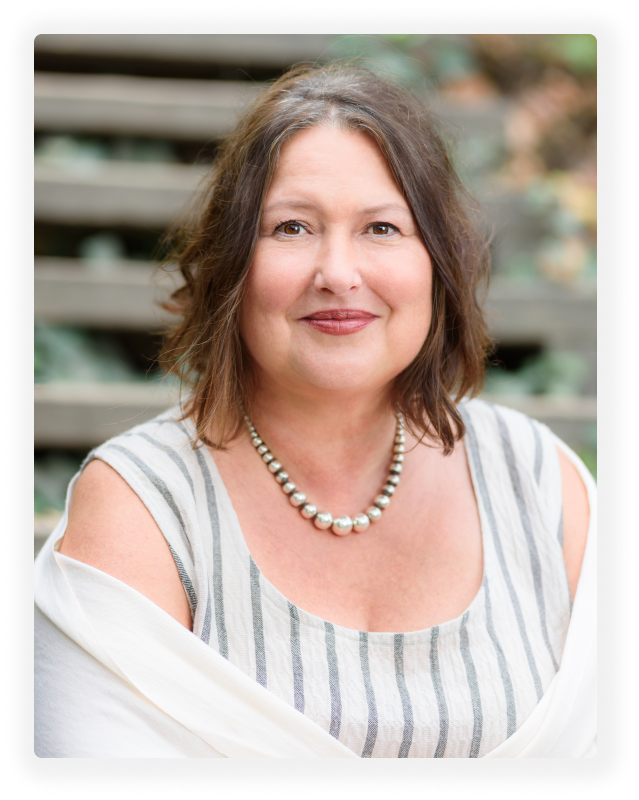
A Better Way To Connect With People
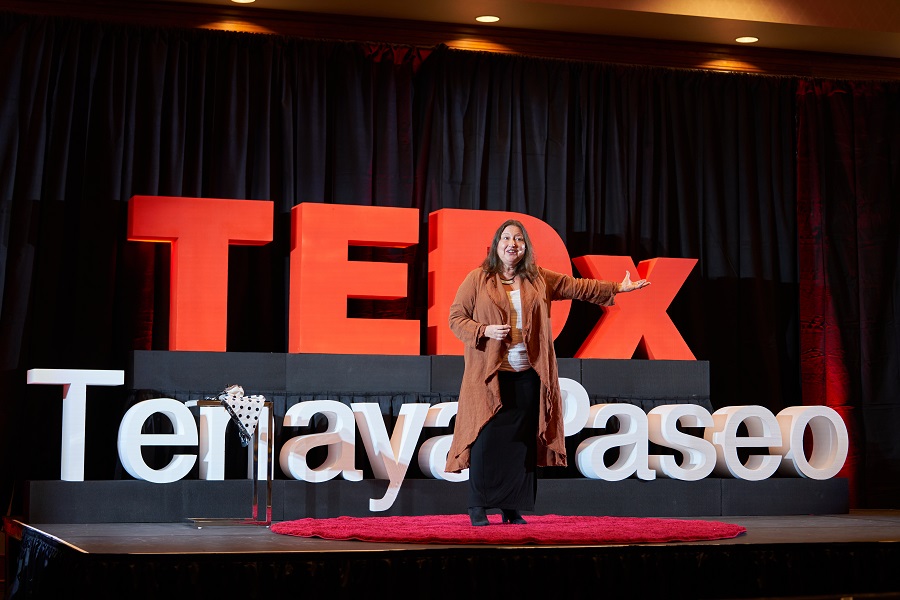
Manon is a newly retired Naturopathic Doctor, the Founder of Bowen College, an International Speaker, she did a TEDxTenayaPaseo (2021) talk “Your Body is Smarter Than You Think. Why Aren’t You Listening?” in Jan 2021, and is the author of 2 Amazon best-selling books “What Patient’s Don’t Say if Doctors Don’t Ask” & “A Healer in Every Household”.
FollOW MANON ON SOCIAL MEDIA
Manon Bolliger, FCAH, RBHT
Facilitator, Retired naturopath with 30+ years of practice, Business & Life Coach, International & TEDxTenayaPaseo (2021) Speaker, Educator, 2x Best Selling Author, Podcaster, Law Graduate and the CEO & Founder of The Bowen College Inc.
* Deregistered, revoked & retired naturopathic physician after 30 years of practice. Now resourceful & resolved to share with you all the tools to take care of your health & vitality!
Discover Your Health Archetype
My TEDxTenayaPaseo (2021) Experience
Podcast Channel
Manon’s Best Selling Books

Reboot Your Body
FREE 7 Tips on Listening To Your Body
Download Off-Switch

BowenCollege.com