If you haven’t done so, would you please RATE and REVIEW The Healers Café podcast? It definitely is appreciated
Follow / Listen to The Healers Cafe on:
iTunes | Google Play | Spotify, | Libsyn | iHeartRadio | Gaana | The Healers Cafe | Radio.com | and many more
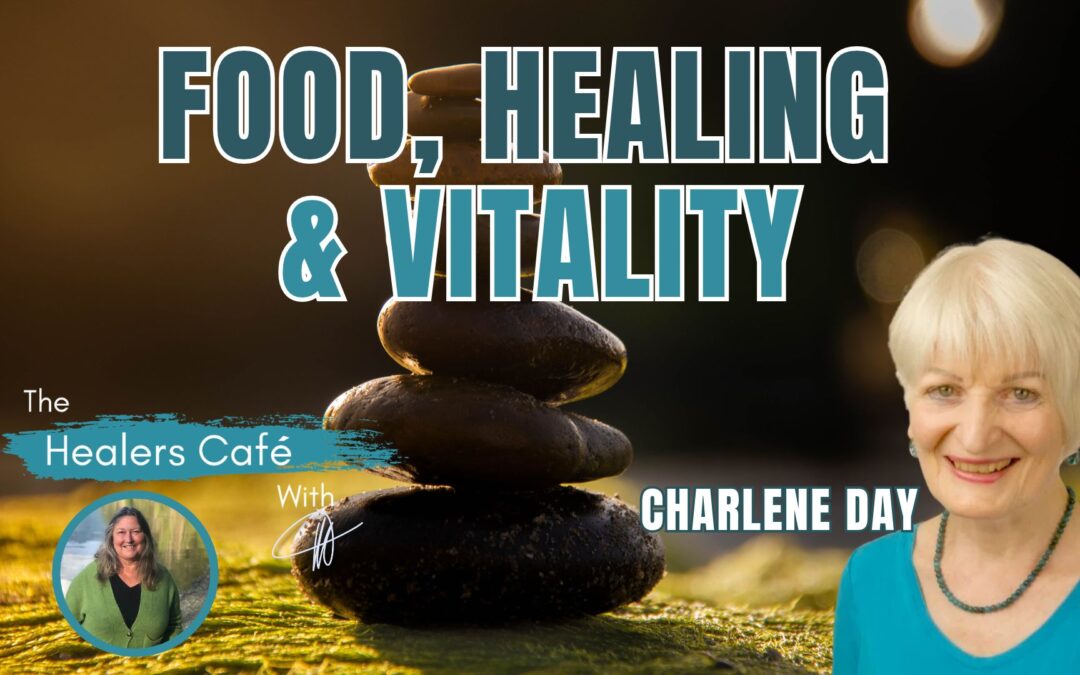
Charlene Day
Food, Healing & Vitality with Charlene Day & Manon on The Healers Café
In this episode of The Healers Café, Charlene described an individualized, holistic approach to nutrition and wellness shaped by five decades of experience, while Manon explored health, food processing, and spiritual connection.
Highlights from today’s episode include:
Charlene: Nutrition should be individualized—there’s no single diet or cleanse that works for everyone. [05:19]
Charlene: Make space for quiet time and activities you love; she shared that dancing helps her stay present. [31:18, 34:18]
– – – – –
Manon: Consider how food is processed, not just the ingredient itself, when thinking about possible food reactions. [20:39]

ABOUT CHARLENE DAY:
I’m a Canadian, gluten-free, dance and Qi Gong loving, vitality boosting maven. I live in Ontario and love helping women over 40 protect their health.
Drawing on five decades of experience, I’m here to help you live a vibrant, energetic life. I’ll share how I reversed my osteopenia to achieve strong bone health and reveal how, as a great-grandmother, my biological age is 30 years younger than my chronological age.
I’m here to guide you in embracing graceful aging and achieving vibrant health at every stage of life.
Core purpose/passion: I am passionate about making a difference with people’s health physically, mentally/emotionally and spiritually.
ABOUT MANON BOLLIGER, FCAH, RBHT
As a recently De-Registered board-certified naturopathic physician & in practice since 1992, I’ve seen an average of 150 patients per week and have helped people ranging from rural farmers in Nova Scotia to stressed out CEOs in Toronto to tri-athletes here in Vancouver.
My resolve to educate, empower and engage people to take charge of their own health is evident in my best-selling books: ‘What Patients Don’t Say if Doctors Don’t Ask: The Mindful Patient-Doctor Relationship’ and ‘A Healer in Every Household: Simple Solutions for Stress’. I also teach BowenFirst™ Therapy through Bowen College and hold transformational workshops to achieve these goals.
So, when I share with you that LISTENING to Your body is a game changer in the healing process, I am speaking from expertise and direct experience”.
Mission: A Healer in Every Household!
For more great information to go to her weekly blog: http://bowencollege.com/blog.
For tips on health & healing go to: https://www.drmanonbolliger.com/tips
SOCIAL MEDIA:
– Linktr.ee | Rumble | Gettr | Facebook | Instagram | LinkedIn | YouTube | Twitter |
About The Healers Café:
Manon’s show is the #1 show for medical practitioners and holistic healers to have heart to heart conversations about their day to day lives.
Subscribe and review on your favourite platform:
iTunes | Google Play | Spotify | Libsyn | iHeartRadio | Gaana | The Healers Cafe | Radio.com | Medioq | Audacy |
Follow The Healers Café on FB: https://www.facebook.com/thehealerscafe
Remember to subscribe if you like our videos. Click the bell if you want to be one of the first people notified of a new release.
* De-Registered, revoked & retired naturopathic physician after 30 years of practice in healthcare. Now resourceful & resolved to share with you all the tools to take care of your health & vitality!
TRANSCRIPT
Introduction 00:00
Welcome to the Healers Cafe, the #1 show for medical practitioners and holistic healers to have heart to heart conversations about their day to day lives while sharing their expertise for improving your health and wellness.
Manon Bolliger 00:44
Welcome to the Healers Cafe. Today I have with me Charlene Day. She’s a Canadian gluten-free, dance and qigong loving, vitality boosting maven. I have that impression after just speaking to you for a little bit. Anyway, she lives in Ontario, and her passion is to help women over 40 protect their health. And obviously, she’s drawing on five decades of experience. Though it would be hard to believe that that could be possible, given how young you look, but anyways, she’s here to help you live a vibrant, energetic life, and she will also share how she reversed osteopenia to achieve strong bone health, and reveal how, as a grandmother, her biological age is actually 30 years younger than what it is. What do you say chronologically?
Charlene Day 01:53
Chronologically, yes.
Manon Bolliger 01:55
Okay. Well, look, welcome, and let’s turn it to you. And yeah, what what got you interested in all of this in the first place?
Charlene Day 02:04
Well, years ago I went on a health weekend, so it was like a Friday to Sunday kind of weekend. And on the health weekend, they were just serving fruits and vegetables, like it was like a cleansing type weekend as well. Well, my diet before getting on that weekend was a little bit like cheese and you know, like like more heavier foods. When I went on that weekend, I got violently ill.
Manon Bolliger 02:34
Oh yes, okay. So
Charlene Day 02:35
by the Saturday lunchtime, the instructor had me under his wing and was using me as the example to teach everybody else how to not do sudden changes in diet for one of them and and then he he took me under his wing for a whole week after the cleanse or after the weekend cleanse and we did a cleanse with his supervision for seven days, by day four, I think it was, I was actually euphoric. I I
Manon Bolliger 03:10
just
Charlene Day 03:10
I couldn’t believe just how wonderful I felt I felt, and I felt like like the energy of the universe was able to flow through my body and every, I mean, it was it was spectacular. It was amazing. So it so turned me on to health that I then started exploring everything about health after that week and became a functional nutritionist. I did all sorts of healing things over the years because health was the main, you know. I needed to know everything about health, so kept exploring.
Manon Bolliger 03:47
My cleanse. Wow. Okay. So I know you have a lot more to share, but what? Let’s say this cleanse, and I mean it could be adapted to what you now would recommend people, because I know things evolve and change, and some things were big in at one point, and then they’re big out now. So, what would you, you know, in a few words, like what what are what’s the main components of what you feel a cleanse, a short cleanse that makes a difference. Like you, you know, day four you’re connecting. What does that entail?
Charlene Day 04:30
Well, that was just he just had me on apple cider. That’s all he had me on for the full week. For the full week, it was it was just that and water and and nothing else, and so that was, and I mean, I was so not into health when he suggested this. I thought I was gonna die, like I had no idea, like I was really not into health when I first started this whole opening the door, and so. Was so amazed by day four when I was like, “Wow, you know, like that. I started to study everything I possibly could under the guise of health, like or under that umbrella. Was like, “Okay, give me everything, kind of thing. So is that
Manon Bolliger 05:14
is that how you would start now? Start people with
Charlene Day 05:19
in terms of individuals, my my big …
Read more...
claim to fame in the 50 years of seeing nutritional clients is I do not ever give anybody the same cleanse, the same diet, the same. Everybody’s so biochemically individual that everybody has to have their own path. There’s no one way, which of course the the marketing model thinks, oh, just one thing can do everything. No, they can’t. So yeah, it’s very individualized so that they get exactly what their body is asking for not what the marketers want you to have or whatever. Sure,
Manon Bolliger 06:05
sure. So functional nutrition, which means you you do the blood work, the analysis. It actually is
Charlene Day 06:13
more. I’m more the intuitive type of functional nutritionist. Based on the 50 years of experience, I can actually look at somebody. I have a an assessment. When they fill that out, I can fill in all the blanks based on all my years of experience without any blood test. So now they sometimes bring their blood tests to me. That’s fine. Then I look at them because I I am schooled in that arena of reading them, but I don’t actually ask for that because I personally feel like I don’t need it because of my intuitive aspect of working with people. So and my experience shows me like I can almost say immediately as soon as I fill out the assessment, what’s going on?
Manon Bolliger 07:04
Yeah. Well, I think it’s interesting you raise that because you know, as naturopathic doctors, which I need to declare that I am no longer, is we really were told to take tests, do tests for everything and kind of follow the conventional pharmaceutical, you know, way of doing things, right? And so a lot of patients would come in and say, “Well, gosh, the test is so expensive. You know how can I even get on with the treatment, right? And because my my passion was more for homeopathy, in that I could see the whole just their symptoms alone told me what was wrong with them. And then you know if you’re in practice long enough, you have intuition, you can put things together, you know. And then you know sometimes they would do these tests, and then I would go, “Oh yeah, okay, I’m I’m on track. You know, but but it’s interesting that you you raise that because that is really what we need is is the ability to know ourselves and our symptoms, and to be able to share them from what’s not normal, and a lot of people, you know, assume things are normal, right? Achy, this, that. It’s like no, you know, that’s not normal, right? You’re not supposed to be achy at 60, like you know, it’s just something’s wrong, right? You know.
Charlene Day 08:37
Well, I’m gonna also share a little story. I was asked to actually teach nutrition at the naturopathic college.
Manon Bolliger 08:45
ok
Charlene Day 08:46
looked at their curriculum, I turned it down because it was too medical model. Yeah, and I’m not medical model. I am totally into the physical, the mental, emotional, spiritual, the whole person, which is why I call functional traditional because I’m going for the cause, the root cause. The root cause may be emotional, right? So we got to get down to the root cause of things, and and and the medical model and anybody trying to be like the medical model doesn’t quite do it. We need we need to be really in tune with who we are, and you know, in touch with the the emotions, the mental, the spiritual, like get get really holistic, I
Manon Bolliger 09:30
guess. Yeah, that’s interesting because I I do think that the um not the naturopaths of the olden days were yes the true naturopaths, and um and I think it’s been co opted and they’ve been bought out and it’s it’s now you know it’s a it’s a different model that you know of course might be more popular to uneducated people, but but it’s not more effective. So you know I always tell. People, if they oh, you know, you’re a naturopath. How should I become one? No, not in this model, right? Like, yeah, you know, like learn the parts and the pieces. I, I mean, I don’t regret my education. That’s not saying. And I was part of the old ones, you know, the elders. So for me, you know, yeah, we had fantastic teachers, and and they did all of what you’re saying. You know, they’re always looking at the emotional, the mental, the spiritual, the physical, the circumstances, like the person. You know, exactly. And now it’s like type on a thing, and you’re not even looking at the person, and and then you’re you’re using you may as well use any. I mean, we’re supposed to diagnose them the same way. Well, then why don’t you just make us pharma pharmacists? And they did. They gave us in BC.
Speaker 1 10:58
That whole medical model, like when when Rockefellers bought bought the medical schools and that became drug pusher school, it wasn’t medical school anymore. Well, the same thing has happened with with a lot of these modalities. I guess I’ll call
Manon Bolliger 11:14
them midwives. Same. Yeah, midwives. I mean, I had three home births, you know, with real midwives, and now you know, like they’re telling to that it’s perfectly safe to take acid acetaminophen, when you know, for goodness’ sake, like that’s been now known, you know, publicly. But it’s also a bit well not advertised by anyone who should be, but you know, they’re still they’re still doing it. If you’re doing epidurals, they’re doing it. They’re saying if you back pain, just take it. Or no, no, it doesn’t go through the blood brain. That it’s a safe. It’s been used since forever, really. You know, like it’s crazy stuff. Anyway, yeah, yeah. Okay, let’s go
Charlene Day 12:06
on
Manon Bolliger 12:06
then. So, so yeah. So you do an individual approach. So if you were to do the unindividual thing just for a moment, if you were saying the five most common things, let’s say, that people are, you know, that they need to detox from. What would you say they are like? Just from general population.
Charlene Day 12:33
Well, alcohol.
Manon Bolliger 12:36
Yeah.
Speaker 1 12:36
Coffee. Coffee. Again, of course, sugar. I mean, all all of these things cause inflammation, and and a lot of people don’t realize that weight gain actually is inflammation. You know, they don’t understand that, and so we need to find what’s the cause of your inflammation, and then deal with it because that makes all the difference in the world when we find out what the cause is, but the other thing I found over the years too is that a lot of people are reacting to the glyphosate in the wheat, so that’s another big problem these days. Because, because then when they’re and I was one of them as well, and so when you know we look at the overall diet. We need to look at all these potential sensitivities, allergens, whatever you want to call them, to these other things that now are being added into the foods, and so that’s a problem as well as the ones that are like smoking and alcohol and all the you know the the general ones that everybody knows about and just doesn’t always have the willpower to get rid of it. But but I also am a neuro encoding specialist, so I can help people both either through hypnosis or neuro encoding work with the mind if they really want to decide to get rid of something, I can help them. So, but they have to make that decision first to say yes, I do want to get rid of whatever it is-alcohol or smoking or whatever. So, I’ve been able to help people that way as well, so that if they are ready, I can do that. So, we do again. I work very all the different angles in terms of health-physical, mental, emotional, spiritual-the whole package. Yeah,
Manon Bolliger 14:28
yeah. Because I wonder if this is your experience, but I remember having patients that couldn’t do you know gluten, right, and they were off all gluten, but they went to Italy, and and then they decided, you know, this is our holiday. We’re just gonna enjoy it, and you know, they had they had pizza, and they had no problem. Right, and so when they came back, their big question was: Do you think it was mind over matter? Do you think it’s, you know, we are having a holiday. We decided, you know, not to do this, but we were, you know, they got tested for this apparently, right? Not not through me, but so they felt that they really were gluten sensitive.
Speaker 1 15:22
Well, when they do their research, they’ll find out the glyphosate’s not in the wheat over in Italy. That’s right,
Manon Bolliger 15:28
exactly. And so then it becomes it. That’s the problem, right? Yes. Same with milk, you know, or the cheeses, right? Like they’re not using what is it called? Rennet, natural, right? There, there. It’s an artificial one, which changes completely the microenzyme capacity of it, right? So,
Speaker 1 15:51
yeah,
Manon Bolliger 15:51
it’s um, yeah. So it’s not like oh, you’re sensitive to milk. You’re sensitive to U.S. and now Canadian milk because Canada is following suit beautifully, and although
Speaker 1 16:04
I always taught clients though that I would I would do I think you can see that the big the big circle there I was taught that the cow milk molecule was that big, and mother’s milk molecule from humans that big. So when you put something that big into a human,
Manon Bolliger 16:22
yeah,
Speaker 1 16:23
it causes inflammation. So that’s why kids get ear infections, and because because they’re having a milk that’s meant for a caf to grow into a one-ton animal into their little tiny body, it can’t handle it. So I’ve taken people off milk, cow milk, for ever since I’ve been in practice, I think because that’s one of the things that helped me getting off milk. So,
Manon Bolliger 16:45
right, right, yeah. Well, it’s interesting too because if you have raw milk, then you have everything it takes to digest it, even as a human. I’m not sure how young, you know. I do. I have. I agree with you somewhat. You know, with molecule size, but I think as we develop our ability to digest, and maybe it even has a difference from where you’re raised. You know, I wonder, you know, if some people, like a lot of Chinese, can’t touch milk at all. You know,
Charlene Day 17:17
yeah, right.
Manon Bolliger 17:18
Whereas I would say some people. It’s like, I mean, like I can do certain cheeses. I know others. I won’t. I won’t touch it. You know, or milk. I don’t. It’s not good for me. I don’t want it. You know. Right. What I
Speaker 1 17:34
recommend for clients who have to have cheese is to go with goat or sheep because they’re smaller animals. So then, their protein molecules are smaller, a little bit more in line with the human one. Yeah. So if you have to have cheese, that’s what I usually say to people: go small, the smaller animals rather than the big animals. So
Manon Bolliger 17:53
exactly, exactly. Yeah, yeah. We had in Nova Scotia, we had goats for the kids, so we did do goat milk, and I made goat cheese and caf here, and you know,
Charlene Day 18:04
which
Manon Bolliger 18:04
being European, it’s felt and you know, from Switzerland and the Alps, where this is like part of life, you know.
Charlene Day 18:13
To
Manon Bolliger 18:13
me, it was like, no, I’m not going to go with this. Well, actually, I did. I for a while, I stopped and I gave them soya milk. This is after breastfeeding, right? I breastfed fully, you know, for
Charlene Day 18:27
what
Manon Bolliger 18:28
you know what some people consider way too long. But anyway, that’s fine, you know. 11 years, three kids. I I can do it. You know, it was a long time, but um, but you know, soya was much more detrimental, obviously, right? But again, that was a fad. That you know, at that time, it was like you know, why not try that? And you know, it’s like so. Sometimes you know that some of the older traditions without the glyco phosphate, without all of that shit, are probably easier for our bodies.
Speaker 1 19:07
Yeah, yeah. Well, soybean on its own is great, but the way they’ve manufactured it with the solvents going through it is not a food anymore. So it’s not a soybean anymore. It’s now poison when you when you drink it. So or eat it. And
Manon Bolliger 19:22
if you’re in Japan, that’s not how they do it,
Speaker 1 19:24
right? Right.
Manon Bolliger 19:26
So again, there’s a food that you go to Japan and it’s perfectly fine. You eat it here. You’re allergic, right?
Speaker 1 19:32
Right. Yeah. All the processing. Yeah.
Manon Bolliger 19:36
Wine, being European, and I’ve I’ve got a lot of patients, and a lot of them I know enjoy wine because when I no longer was working, they said you want to get together for tea, coffee, martini, or wine because I wanted to meet. You know, outside of just because you know after doing the. For 30 years, you you develop a connection with people, right?
Speaker 1 20:03
Yeah,
Manon Bolliger 20:04
and um, and I’ve I’ve never, I mean, when you have a reaction to wine, you know, this like red face, or I can get it, but I I know that in some parts of Europe, I mean, wine is it you know drunk, I would say abundantly, not you know your you know not just like a little tiny bit once in a blue moon, but you know it’s drunk fairly liberally.
Speaker 1 20:36
But I think it’s well made there, right? So it won’t have all the chemicals in it.
Manon Bolliger 20:39
It doesn’t have the chemicals. That’s what the difference is. So and so again, it’s not wine per se. At least that’s my belief, you know. And you know, some of the organic wines are delicious. I mean, you know, and they don’t cause these reactions. So right, you know, I I think really if I start looking at this whole nutrition thing is, it’s really not the food per se. It’s the processing method of the food.
Speaker 1 21:08
Yes. Yeah. Yeah.
Manon Bolliger 21:09
You agree. Yeah, because that’s what I came to realize. You know, it’s like, it’s um, yeah, and and that’s really a much huger problem.
Speaker 1 21:20
Oh, huge, huge! It’s huge. When when food became a business,
Manon Bolliger 21:25
yes,
Speaker 1 21:25
that’s when our health started to go downhill, right? Yeah. Because yeah, money became the the
Manon Bolliger 21:31
the priority.
Speaker 1 21:32
Their priority. Yeah. Our health was not their priority. They just wanted to make their profits. Yeah. And so bad, so much. You know, you know, too bad you’ve got reactions. Too bad for you, you know. So,
Manon Bolliger 21:47
well, it’s kind of part of their bigger agenda. Yeah, exactly. If you get sick, then they’ve got work. You know, it’s it’s a beautifully made system from their point of view. Oh yeah, but it’s um, you know, and it’s interesting because it’s like you’d say it’s not an individual person who decides to do this. It it belongs to a system of belief that it’s okay to put health second and to put money first. Manon Bolliger here, and I want to thank you for taking actionable steps towards engaging your healing journey and helping others discover their path by watching, sharing, subscribing, and reviewing these podcasts. Every review and share helps spread the word on these different perspectives and choices and options for healing, and to thank you, I’d like to invite you to sign up to my free seven sequence email tips on health and healing for everyday life, and you can go to healerscafe.com tips. Thanks so much. First,
Speaker 1 23:04
yep,
Manon Bolliger 23:04
right. Because otherwise, why would you replace, let’s say, olive oil with canola oil?
Speaker 1 23:11
Right.
Manon Bolliger 23:11
Like why? It it is purely financial
Speaker 1 23:15
money. Yep.
Manon Bolliger 23:17
Exactly. Profit.
Speaker 1 23:18
Profit.
Manon Bolliger 23:19
Yeah. No. And it’s um, yeah, it’s it’s quite incredible when you look at the whole health system on that level, you know.
Speaker 1 23:26
Well, it’s not even a health system anymore. No, it’s an illness system. It’s like completely. I won’t use a word that I was about to use, but it’s completely destroyed. We’ll use that word instead.
Manon Bolliger 23:39
Well, there’s definitely room for rebuild. I think, you know, I think enough people realize what the issue is who are conscious that you know. But it’s not a oh, I’ll just do it in my own garden because you know we’re getting the skies crisscrossed with arsenic, and you know they’re playing tic-tac-toe on our behalf, you know, and it’s all coming down on our oceans, on our foods, on on everything, right? Yep. So it really takes a lot more to, you know, to stop this. But I guess the biggest thing is conversation and and and making health important, you know, and and I was going to ask you, you you said at first health didn’t matter really to you. You weren’t concerned about
Speaker 1 24:28
- Well, as as now this is my early 20s when I went on this weekend, right? This health weekend, but I didn’t know. I I grew up in a family that knew nothing about health. Right. My mother knew nothing about nutrition. Like we were, we were fed canned goods most of my early life. You know, so so this whole like in other words, when I got out on my own, a whole world opened up that I didn’t even know existed because it wasn’t in my family. So
Manon Bolliger 24:56
yeah, so
Speaker 1 24:57
it was like oh okay, and then. I went okay. I can’t get enough of it. This course and that course. I just I kept on, you know. Okay, more and more and more.
Manon Bolliger 25:07
And and why do you think your your parents weren’t exposed it from where you live? Well, I
Speaker 1 25:15
think my grandparents went through that depression thing, right? That like after the war or during the war, I guess whatever, and and so they sort of grew up with that, and not having you know certain amounts of foods available to them, and and then it was the you know late 40s, early 50s, and and canned goods came into being. My mother ended up with four kids. Well, because two two of them were twins, so like all of a sudden there was four little ones, and and so she thought it was easy just to open up a can and throw it on a plate or whatever, throw it wherever in a pot. I guess we didn’t microwaves back then, but throw it in a pot and get it on the on the table, so and craft dinner that kind of stuff is what I grew up on, you know. So and peanut butter and peanut butter and whatever banana sandwiches or something something like that. The fact that I the fact that I grew up somewhat healthy surprises me sometimes when I see what I came through, and I went, “Whoa, you know. So, but I’ve really got into health, and so the longer period of my time, I’ve been focused on health versus my little life. So, yeah.
Manon Bolliger 26:34
But it also shows that you know the. I mean, the body regenerates, right? It’s it is forgiving to an extent, you know, and it’s not just the food. I mean, you might have had a, you know, a loving upbringing or a, you know, I don’t know. No, okay. Well, I’m just trying. It’s
Charlene Day 26:55
pretty pretty traumatic, unfortunately. Yeah, the stuff that went on is Whatever, it’s all, all gone and finished, and people are deceased and so forth. So yeah.
Manon Bolliger 27:09
Well, okay, yeah. But I mean, you know, it’s true though that some people, it’s other things that keep them going, you know, and be healthy, even though they’re either very poor or they can’t have access, or you know. Well,
Charlene Day 27:26
the thing that saved me was the connection because I would talk to angels as a child, so that’s the only thing that saved me through everything that that I got through, right? So I would have I have communication with other unseen beings. I guess my mother was always freaking out. Who are you talking to?
Manon Bolliger 27:50
But
Speaker 1 27:50
I I that’s what saved me. Like that was my go-to place for safety because the real world out here was not safe as a child. So so yeah I. I I really that’s why I’m really always making sure physical, mental, emotional, spiritual like that’s one part that we need to be looking at because everybody’s got a different connection, but you need that connection, right? You need to have some sort of connection to something larger than you,
Manon Bolliger 28:22
right? Right. So actually, I’m putting you right on the spot, but something larger than you, right? I mean, that’s how you start describing this. So as a child, it’s like it was like a a voice, or you could see it, or you
Speaker 1 28:47
apparently I saw things according to my mother’s you know conversations with me. I would tell her I would see Benny, and I would see you know different entities. Yeah. but a lot of times after I sort of start, I guess maybe I was being like, “What you know? Like, and so I started to close that in. So then I would just do my own private conversations without seeing anything. So I would just, I would just talk like, “Help! I need
Manon Bolliger 29:21
right, and
Speaker 1 29:22
talk to somebody today. Yeah,
Manon Bolliger 29:25
because I I know quite a few people are saying you know, because now it’s coming up again that you know your connection with God and Jesus and and there’s you know a lot of people were not brought up educationally to believe any of that, maybe not write out atheists, but they kind of I don’t know I don’t know is there you know now if you’ve had a trauma or you’ve had something in your life, likely you have figured out some spiritual connection. At least that’s. How I can see from my patients-they all have kind of said, and then, and they have some experience, you know, whether it’s light or a voice or something. But if you happen to be in that, you know, group of people that haven’t seen much trauma, haven’t really had it too bad, you know, and they’re you know they’re in their 30s, 40s. They’re you know they’re about to see crazy stuff, but how do how would you recommend they connect with that? Because I think it’s you know, I mean, I’ll give you an example. You know, I I I I bless the food I receive before I eat it. I just I’m grateful for it. Who am I grateful to? I don’t. I don’t. You know, it’s not like I go to the next question. I don’t necessarily say God, or I’m just like the feeling of wow, you know, this was made. It was prepared. It was grown. It, you know, and I’m sure that I did not put any glyco phosphate in it. So, but where where do you tell people to start with their connection to spirit?
Speaker 1 31:18
Well, usually meditation, like having that quiet time so that you actually can hear something or experience something, because our life is like all the time, and and we don’t take time to slow down and meditate. And so that’s the place to start. But again, it’ll depend on whether they’re even ready to do that, because not everybody’s ready to slow down. Because for some people, they find it also scary to slow down, right? So again, be it’ll have to be very individualized because everybody’s so different.
Manon Bolliger 31:55
Yeah. Yeah. So yeah,
Speaker 1 31:58
but that’s probably where I would start: is send them to a meditation class, or listen to meditation music, or even the iPad. What’s it called? i whatever those things that you can plug in to listen to music, listen to that, listen to a meditation as they fall asleep, maybe. So not a cell phone. We don’t want any cell phones near you, but those little i-I forget what they call
Manon Bolliger 32:25
iPods, iPods
Speaker 1 32:26
or something like that. Yeah, something that you can take to bed with you without having to have that kind of energy near your near your bed. Right,
Manon Bolliger 32:35
right.
Speaker 1 32:36
Yeah,
Manon Bolliger 32:36
yeah. So even iPods that iPods that are connected to it are okay.
Speaker 1 32:45
Oh, sorry, no, earphones, earphones. Yeah, I’ve I have earphones and this little contraption that I can put from my computer. I can put all my music and meditations on it. Oh, and I take that to my bed to listen to meditations, and even if I wake up in the middle of night, I’ll turn it on just to have another meditation or something, just to keep me in a state of you know calm. Yeah, I don’t want technology technology like no, no. Okay, I was trying to
Manon Bolliger 33:16
get what you’re talking about. Yes, so it’s
Speaker 1 33:18
not not that thing. No, because that’s not good, but the the ear earphones, yeah, earphones, and that little thing that plays. I think it’s like an eye something. Maybe it’s not even an eye something. It’s a little thing that takes that you can put on your connect to your computer and get music and whatever into it, and you can take it with you.
Manon Bolliger 33:43
I guess I don’t know what that is, but okay, okay, good. I was gonna say our time is like already up. I feel like we haven’t even begun. But I’ll leave you the closing remarks, and then you know maybe at another interview, if you’re interested, we could go in depth on, you know, one subject that you can sort of really teach us about, if that would be of interest for you. But maybe if you could close up with a few for today, it’ll be part
Speaker 1 34:18
one. Okay. Well, I guess closing closing ideas around what we just talked about today is again to be conscious of asking questions around where your food came from. So, like rather than just you know going and buying it, check it out. Where’d it come from? How organic is it? That kind of thing. So really, being questioning more about what you’re putting in. I have a friend who says into your pie hole. So yeah. So just really questioning that. Also, looking at your lifestyle, and is there any place where you can add add in some quiet time somewhere along the line? Also, finding something that you love, like I love dancing, so I make sure I dance six nights a week, right? So I do something that I love, and when you’re doing something that you love. You can be in the present moment, and everything else can disappear when you do something that you love. So I highly recommend that. And yeah, well, that’s that’s good enough probably for now. It’s it’s giving you ask questions and and do something that you love. So that’s a good start. Yeah.
Manon Bolliger 35:41
Okay. Well, let’s let’s do part two. Okay. And tell us a little bit more about staying young. What are the main things outside of starting? I only got the beginning of your journey, not your journey. So clearly, we’ll we’ll need to meet again. Okay. All right. Well, thank you very much, Charlene
Speaker 1 36:02
Okay. Well, thanks.
Manon Bolliger 36:03
Lovely to meet you.
Speaker 1 36:05
Okay. Bye bye.
Ending
Thank you for joining us at the Healers Cafe. If you haven’t already done so, please like, comment and subscribe with notifications on as I post a new podcast every Wednesday with tons of useful information and tips for natural healing that you won’t want to miss, go to DrManonBolliger.com/tips for more tips
Other Episodes
Resources:
If you haven’t done so, would you please RATE and REVIEW The Healers Café podcast? It definitely is appreciated.
Follow / Listen to The Healers Cafe on:
iTunes | Google Play | Spotify, | Libsyn | iHeartRadio | Gaana | The Healers Cafe | Radio.com | and many more
Get This Episode
Alx Uttermann
The Healer’s Reset with Alx Uttermann & Manon on The Healers Café
Karol Ward
Finding Your Voice as a Healer with Karol Ward & Manon on The Healers Café

Jenna Brocious
Living With Chronic Pain: Gentle Steps Forward with Vita Oyler & Manon on The Healers Café
Vita Oyler
Living With Chronic Pain: Gentle Steps Forward with Vita Oyler & Manon on The Healers Café
Dr Marina Straszak-Suri
Rethinking Fertility & Women’s Health with Dr Marina Straszak-Suri & Manon on The Healers Café
Dr Jeff Fienmann
Holistic Pet Wellness with Homeopathy with Dr Jeff Fienman & Manon on The Healers Café
Cheryl Meyer2
From Toxic Overload to Self-Healing with Cheryl M Health Muse & Manon on The Healers Café
Cheryl Meyer
From Pain to Purpose: Cheryl M Health Muse & Manon on The Healers Café
Kumiko Kanayama
Healing Through Intuitive Shiatsu with Kumico Kanayama & Manon on The Healers Café
Dr Yun Kim, Dr Jacques MoraMarco
Breath, Mudra, and the Healing Walk with Dr Yun Kim, Dr Jacques MoraMarco & Manon on The Healers Café
Maggie Kelly
From Spiritual Bypass to Deep Healing with Maggie Kelly & Manon on The Healers Café
Dr Alan Weisser
Beyond Chronic Pain: The Power of Purpose with Dr Alan Weisser & Manon on The Healers Café
Megan Gaul
From Emotional Eating to Empowered Living with Megan Gaul & Manon on The Healers Café
Brooke Bralove
Healing Trauma in Minutes using A.R.T. with Brooke Bralove & Manon on The Healers Café
Michelle Lally
Competing with Bowen Therapy at Massage Competition with Michelle Lally & Manon on The Healers Café

Stuart Tomc
Omega-3 vs 6 Balance: Test, Don’t Guess with Stuart Tomc & Manon on The Healers Café
Benny Voncken
From Crisis to Stoic Clarity with Benny Voncken & Manon on The Healers Café
Lorraine Kane
A Gift in the Wreckage and True Healing with Lorraine Kane & Manon on The Healers Café
Aaron Gilbert
Meaning, Values, and Mental Health with Aaron Gilbert & Manon on The Healers Café
Dr Marianne Pinkston
Real Solutions for Weight, Hormones & Metabolism with Dr Marianne Pinkston & Manon on The Healers Café
Dayna Wylder3
Healing Frequencies for Chronic Pain with Dayna Wylder & Manon on The Healers Café
Dayna Wylder2
Bioresonance Healing for Neuralgia Pain with Dayna Wylder & Manon on The Healers Café

Dayna Wylder
From MS Diagnosis to Energetic Freedom with Dayna Wylder & Manon on The Healers Café
Cheri Carandanis
From Brain Injury to Brushstrokes with Cheri Carandanis & Manon on The Healers Café
Amanda Harris2
Calming the Nervous System to Heal Pain with Amanda Harris & Manon on The Healers Café
Kelly S. Jones
Consciousness, and the Future of Healing with Kelly S. Jones & Manon on The Healers Café
Stacy Scarcella
Living Boldly Beyond a Diagnosis with Stacy Scarcella & Manon on The Healers Café
Cedric Bertelli
Updating the Brain’s Predictions: Emotional Resolution with Cedric Bertelli & Manon on The Healers Café
Ken Blackman
Sovereignty in Love- Knowing When to Stay or Leave with Ken Blackman & Manon on The Healers Café
Mitch Webb
From Forcing Health to Nervous System Healing with Mitch Webb & Manon on The Healers Café
Frank King
Laughing in the Dark: Comedy, Depression & Suicide Prevention with Frank King & Manon on The Healers Café
Kristine Ovsepian
Reprogramming the Mind: Hypnotherapy with Kristine Ovsepian & Manon on The Healers Café
Dr William Kalatsky part 2
Emotional Healing for Chronic Pain with Dr William Kalatsky & Manon on The Healers Café
Dr William Kalatsky
Clearing Emotional Trauma with Frequency with Dr William Kalatsky & Manon on The Healers Café
Laura Jane Layton
From Corporate Burnout to Self-Care with Laura Jane Layton & Manon on The Healers Café
Michelle Taylor
Empowering Women’s Health & Wealth with Michelle Taylor & Manon on The Healers Café
Nina Maglic
Healing, Business & Authentic Connections with Nina Maglic & Manon on The Healers Café
Jen Mitchell Love
Soulful Divorce: Mindful Healing & Empowerment with Jen Mitchell Love & Manon on The Healers Café
Amber Briggle
Authenticity & Healing: Soma Massage Journey with Amber Briggle & Manon on The Healers Café
Tania Ho
Intuition, Healing, and Retreats with Tania Ho & Manon on The Healers Café
Michael Kohan
From Wall Street to Self-Awareness – the Journey to Life Coach with Michael Kohan & Manon on The Healers Café
Mike Sententia
Inside Energy Healing: Chronic Pain Breakthroughs with Mike Sententia & Manon on The Healers Café
Xavier Roman
Healing Stories & Energy Work with Xavier Roman & Manon on The Healers Café
Dr Kelly Barron
Empowered Menopause: Resilience, Healing & Transformation with Dr Kelly Barron & Manon on The Healers Café
Dr Jeff MD Meyers
Integrative Healing & the Journey Through Pain with Dr Jeff KD Myers & Manon on The Healers Café
Jeff Wenninger
Reimagining Policing: Mental Health & Change with Jeff Wenninger on The Healers Café & Manon Bolliger
Greg Lawrence
Back Whisperer: Rethinking Chronic Pain & Movement with Amanda Harris on The Healers Café with Manon Bolliger
Amanda Harris
Back Whisperer: Rethinking Chronic Pain & Movement with Amanda Harris on The Healers Café with Manon Bolliger
Dr Eva Selhub2
Holistic Resilience and Vitality with Dr. Eva Selhub on The Healers Café with Manon Bolliger
Kathy Allan
Gutsy Nurses: Healing, Authenticity & Change in Healthcare with Kathy Allan on The Healers Café with Manon Bolliger
Karen Docherty
How to develop intuitive abilities to guide your healing with Karen Docherty on The Healers Café with Manon Bolliger
Edy Nathan
Navigating Grief, Trauma, & Sexuality with Edy Nathan on The Healers Café with Manon Bolliger
Mike Sententia
Energy Healing for Chronic Pain with Mike Sententia on The Healers Café with Manon Bolliger
Gina Cavalier
Healing Through Self-Love: Gina Cavalier’s Journey from Suicidal Ideation to Empowerment on The Healers Café with Manon Bolliger
Dr Eva Selhub
Transforming Medicine Through Resilience & Holistic Healing with Dr. Eva Selhub’s on The Healers Café with Manon Bolliger
Dr Sam Zand
Healing the Soul: A Holistic Approach to Mental Wellness with Dr Sam Zand on The Healers Café with Manon Bolliger
Dr Mala
Challenges and Advocacy in Trauma Care with Dr Malasri Chaudhery-Malgeri on The Healers Café with Manon Bolliger
Evan Jarschauer
How to Break Through Addiction & Mental Health Barriers with Evan Jarschauer on The Healers Café with Manon Bolliger
Kimberly Mitchell
How Kimberly’s experience with depression & recovery inspires others on The Healers Café with Manon Bolliger
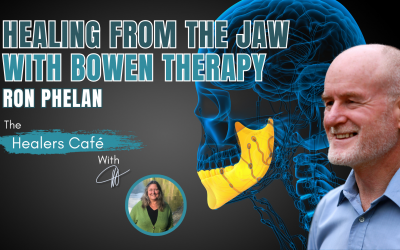
Ron Phelan
Healing from the Jaw, with Bowen Therapy and Ron Phelan on The Healers Café with Manon Bolliger
Randy Lyman
Success with Soul: Business Reimagined – Randy Lyman on The Healers Café with Manon Bolliger
Christine Trimpe
Sugar-Free & Thriving: Overcoming Addiction and Losing Weight – Christine Trimpe on The Healers Café with Manon Bolliger
Dr. Howard Walsdorf
Balancing the Elements: Ancient Wisdom for Modern Health – Dr. Howard Walsdorf on The Healers Café with Manon Bolliger
Maria Maldonado Smith
From Vision to Victory: Aligning Dreams with Purpose and Discipline –Maria Maldonado Smith on The Healers Café with Manon Bolliger
Diane Randall
Diane Randall: Empowering Holistic Well-being and Personal Growth on The Healers Café with Manon
Dr. Nelly Naguib
Healing Beyond Medicine with the Power of Bowen Therapy – Dr. Nelly Naguib on The Healers Café with Manon Bolliger
Judy Koons
Breaking Free: Healing Trauma & Stress Through Somatic Breathing with Judy Koons on The Healers Café with Manon Bolliger
Dr. Lynn Anderson, ND
Wellness vs. Big Pharma: The Fight for Natural Health with Dr. Lynn Anderson, ND on The Healers Café with Manon Bolliger
Debi Carlin Boyle
Aging Young: The Power of Small Changes for Longevity with Debi Carlin Boyle on The Healers Café with Manon Bolliger
Lisa Erickson
Healing Trauma Through Chakra Work with Lisa Erickson on The Healers Café with Manon Bolliger
Anne-Marie Ferguson
Exploring the Evolution of Bowen Therapy with Anne-Marie Ferguson on The Healers Café with Manon Bolliger
Russell Sturgess
How Does Bowen Therapy Illuminate the Connection Between Human & Soul with Russell Sturgess on The Healers Café with Manon Bolliger
Dr Romi Fung
Can We Reduce the Risk of Dementia with Better Lifestyle Habits? – Dr Romi Fung, ND on The Healers Café with host Manon Bolliger
Dori Baker
Can Soulful Practices Help Us Heal and Build Inclusive Communities? – Dori Baker on The Healers Café with host Manon Bolliger
Yvonne Caputo
Are You Prepared for the End? The Power of Advanced Directives and Final Wishes – Yvonne Caputo on The Healers Café with host Manon Bolliger
Kamini Wood
Overcoming Imposter Syndrome & Embracing Your Authentic Self – Kamini Wood on The Healers Café with host Manon Bolliger
Tzara Attwater
Transforming Anxious Attachments into Self-Leadership Mastery – Tzara Attwater on The Healers Café with host Manon Bolliger
Janet McConnell
Transforming Health & Embracing Aging with Exercise & Lifestyle – Janet McConnell on The Healers Café with host Manon Bolliger
Ruchi Pinniger
Redefining Prosperity. Aligning Business Goals with Personal Well-Being – Ruchi Pinniger on The Healers Café with host Manon Bolliger
Jana Stern
Transforming Mental Health Challenges Into Spiritual Strength – Jana Stern on The Healers Café with host Manon Bolliger
Dr. Deb Muth, NP, ND, MSNH, Master Herbalist, Shaman
Turning Adversity Into Advocacy Through Functional Medicine – Dr. Deb Muth on The Healers Café with Manon Bolliger
Samantha Bailey
Overcoming Betrayal and Infidelity to Rebuild Your Life – Samantha Bailey on the Healers Café with Manon Bolliger
Dr Sam Shay
Supporting Parents of Neurodiverse Kids with Functional Medicine – Dr. Sam Shay on The Healers Café with Manon Bolliger
Niraj Naik
Healing Beyond Medicine: The Power of Awareness and Breathwork – Niraj Naik on the Healers Café
Dr. Jeff Feinman
A Holistic Path to Wellness with Bowen Therapy, Kinesiology, and Qigong – Ben Calder on the Healers Café
Ben Calder
A Holistic Path to Wellness with Bowen Therapy, Kinesiology, and Qigong – Ben Calder on the Healers Café
Rhonda Nelson
Living with AERD: Misdiagnosis, Missteps, and the Fight for Effective Treatment – Rhonda Nelson on the Healers Café with host Manon Bolliger
Autumn Bear
Navigating Long Covid with Holistic Healing – Autumn Bear on the Healers Café & Host Manon Bolliger
Camille Leon
Why Is Visibility Crucial for Holistic Therapists? Camille Leon on the Healers Café & Host Manon Bolliger
Alisha DiMasi
Planning Life’s Milestones: Intentional Approaches to Birth and Death with Alisha DiMasi on the Healers Cafe & host Manon Bolliger
Jessica Baladad
Transforming Breast Cancer Awareness with a Life-Changing Self-Exam App with Jessica Baladad on the Healers Cafe & host Manon Bolliger
Melissa Jarzynski
Harnessing Healing: Equine Therapy’s Impact on Trauma Recovery with Melissa Jarzynski on the Healers Cafe & host Manon Bolliger
Karyne Daniels
A Path to Healing and Spirituality Through Sacred Dance with Karyne Daniels on the Healers Café with Manon Bolliger
Jorge Padron
The Link Between Mental & Physical Health & Ketamine’s Role in Treatment with Jorge Padron on The Healers Café hosted by Manon Bolliger
Dr David Berger
Holistic Approach to Pediatric Care with Dr David Berger on The Healers Café hosted by Manon Bolliger
Jeralyn Glass
Unlock the Power of Hertz and Discover Your Personal Music Frequency with Jeralyn Glass on The Healers Café hosted by Manon Bolliger
Jennifer Neville
The Battle Within: Understanding and Healing Through Hypnotherapy with Jennifer Neville on The Healers Café hosted by Manon Bolliger
Niki J Norlock
Addressing Chronic Pain: Physical, Mental, and Emotional Solutions Explored with Niki J. Norlock on The Healers Café hosted by Manon Bolliger
Tasha Darwent
Resilient Grace: Tasha’s Journey from Addiction and Dis-ease to Healing with Tasha Darwent on The Healers Café hosted by Manon Bolliger
Andrea L. Wehlann
Can You Move Past Severe Trauma and Begin to Heal? with Andrea L. Wehlann on The Healers Café hosted by Manon Bolliger